Welcome! Save our Streams Hamilton is a coalition of citizens advocating for the preservation of wetlands, streams, habitat, forests, and biodiversity. Scroll down for a quick overview of our campaigns and to join our newsletter!

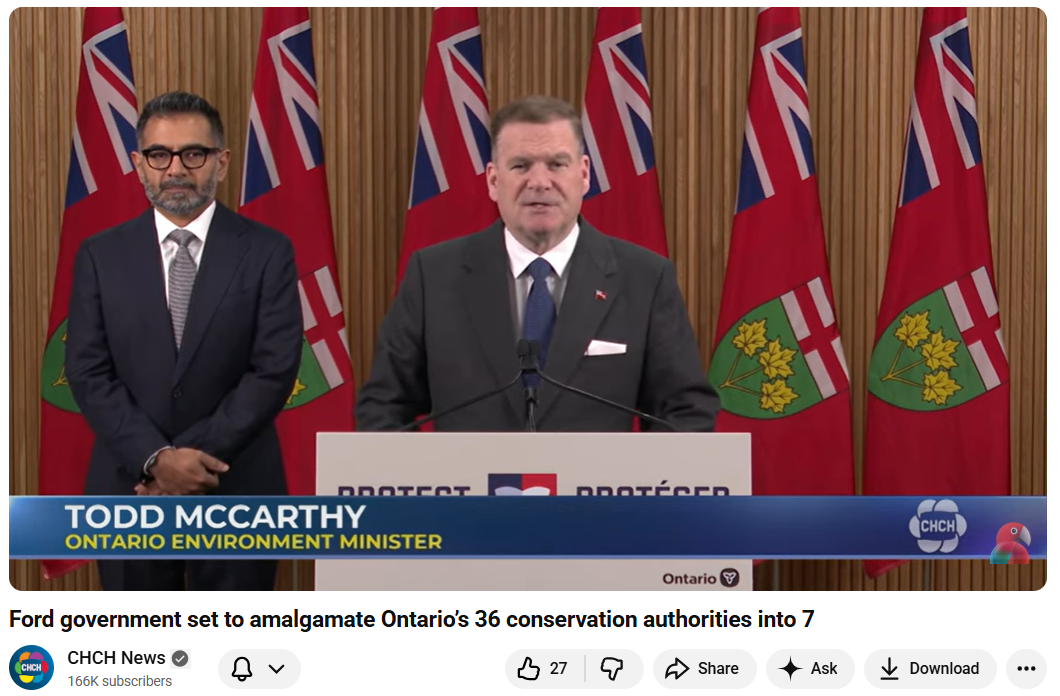
Through Bill 68, Doug Ford wants ‘shovels in the ground’ in the Greenbelt, wetlands, farmland, forests, and natural areas by decimating our Conservation Authorities!

Actions:

  • Email your MPP using talking points below or your own words - ongoing. Contacts here

  • Submit that same message to the Environmental Registry of Ontario (ERO) here - Deadline Dec 22, 2025

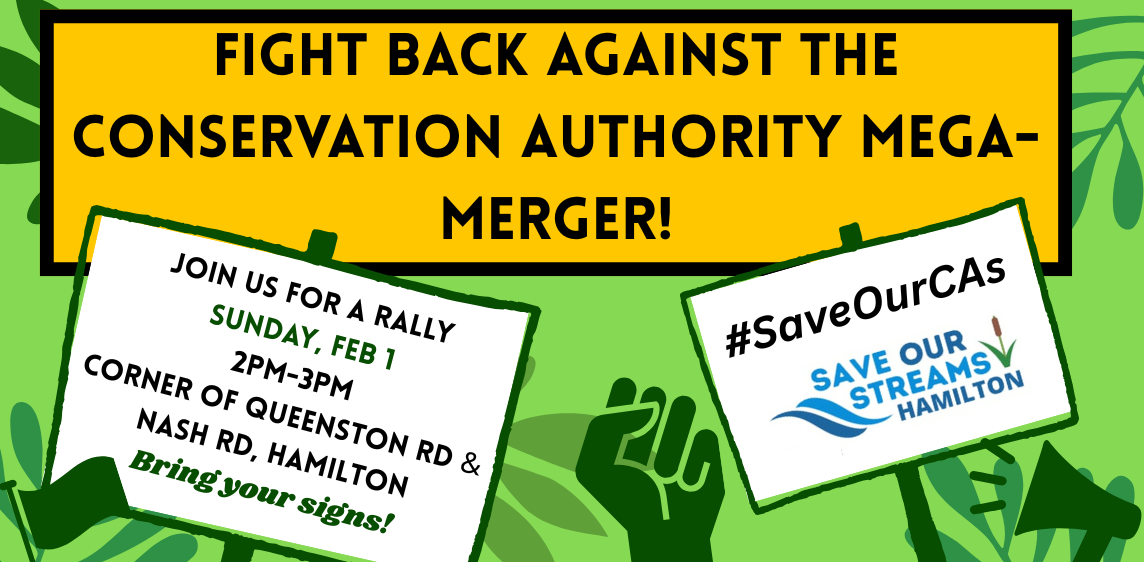
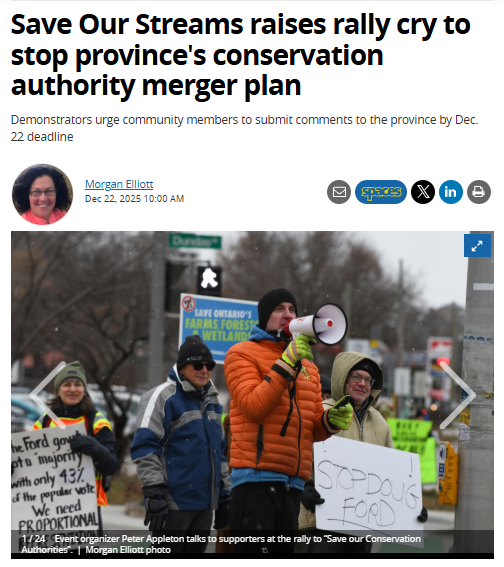
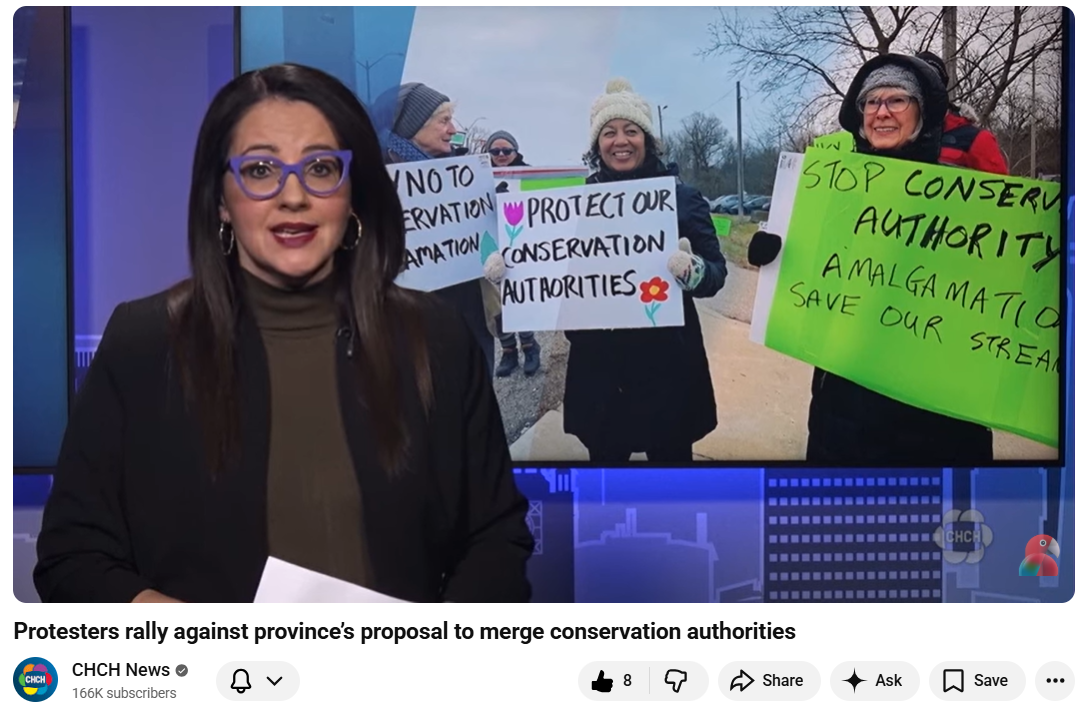
  • Rally Time! - Sunday, December 21 2025, corner of Cootes Drive and East Street N, Dundas. Bring a sign. Park at the Spencer Creek Trail lot. Map here

  • Share! Encourage a friend or family member to take the actions above too!

Information:

Details (and info about their year-end celebration) are in Hamilton 350’s newsletter here

Watch the recording of Hamilton Conservation Authority (HCA) Staff presentation and Board discussion here

See Ford’s plan on the November HCA Special Meeting agenda here

Read Hamilton City Council’s motion detailing their opposition here

Talking points: feel free to copy or quote from HCA or Ontario Nature for your email and ERO submission

1. HCA’s ERO submission and Board motion:

Re: Proposed Boundaries for the Regional Consolidation of Ontario’s Conservation Authorities (ERO 025-1257) 

Thank you for the opportunity to comment on the proposed boundaries for regionalizing Ontario’s conservation authorities. 

The Hamilton Region Conservation Authority (HCA) has reviewed Environmental Registry Posting 025-1257 and the proposal to consolidate Ontario’s 36 conservation authorities into seven regional entities, including the creation of a “Western Lake Ontario Regional Conservation Authority” that would incorporate HCA along with Niagara Peninsula CA, Halton Region CA, and Credit Valley CA. 

HCA does not support the proposed regional consolidation and believes it is not required to achieve the Province’s stated objectives, which can be fully met within the existing conservation authority framework through strengthened provincial standards, clear expectations, and targeted modernization. The proposal does not recognize what makes conservation authorities unique:

• We are built on local watershed boundaries, not administrative regions.

• Our services rely on local relationships, local knowledge, and locally responsive governance. 

Conservation authorities work because they are local, and responsive. Large-scale consolidation would diminish that strength. Additionally:

  • Conservation authorities are established on watershed boundaries; frontline programs reflect local conditions. 

  • The HCA has a track record of positive working relationships with our member municipalities, the development industry, watershed businesses and residents. 

  • Conservation Ontario working with conservation authorities have already developed standards and guidelines that promote consistency while respecting local watershed needs. 

  • The Government has already modernized the Conservation Authorities Act to streamline operations, focus on core mandate, and improve permit review performance — including prescribed timelines in legislation related to permit reviews, which the HCA and, conservation authorities more broadly, have met. 

  • The proposed centralized permitting system can be implemented without amalgamation.

  • The Province already holds the legislative authority needed to implement the consistency, transparency, and modernization that it seeks. 

Amalgamation would create unnecessary bureaucracy, impose transition costs, and fragment established relationships with local municipalities, landowners, and partners. It would also risk undermining specialized local operations such as HCA’s marina or Halton’s ski hill—services that require specialized equipment and trained staff and cannot simply be absorbed and redistributed. HCA’s work is supported by a strong brand, a well-performing Foundation, and a successful annual membership pass program, all of which rely on local trust and identity. For these reasons, the HCA Board has passed a formal motion stating its opposition to the proposed “Western Lake Ontario Regional Conservation Authority”. A copy of the Board motion is below. Notwithstanding our strong opposition, we offer comments to the five ERO questions below. 

ERO Questions and Responses 

1. What do you see as Key Factors to support a successful transition and outcome of the regional conservation authorities consolidation?

 HCA does not believe regional consolidation is the appropriate solution to the challenges identified by the Province. The Environmental Registry posting highlights issues such as inconsistent service delivery, outdated or fragmented systems, administrative duplication, and uneven accountability; none of these require amalgamation to resolve, as Ontario already has the legislative tools, regulatory framework, provincial standards, and the Ontario Provincial Conservation Agency to address them within the existing conservation authority structure. 

For example: 

  • Inconsistent service delivery can be addressed through clear provincial standards, directives, and Conservation Ontario guidelines; HCA is already meeting provincial permit timelines and has modernized its planning and permitting processes. 

  • Outdated and fragmented systems can be resolved by implementing a centralized provincial permitting platform and shared technical systems without merging conservation authorities, as anticipated through the Province’s proposed online permitting portal. 

  • Administrative duplication can be reduced through shared services, provincial coordination, and standardized directives, again without restructuring. 

  • Accountability can be strengthened through transparent performance reporting requirements and OPCA oversight. 

If the Province proceeds with consolidation regardless, the following factors are essential to minimize disruption and protect public interest: 

  • Maintain uninterrupted delivery of core watershed services such as flood forecasting, emergency response, enforcement, and permitting, with explicit safeguards so that transition work does not compromise public safety performance. 

  • Preserve each conservation authority as a distinct watershed-based operating division so that local knowledge, municipal relationships, and watershed-specific conditions remain central to decision-making. 

  • Protect trusted local brands, programs, and revenue sources, including HCA’s membership pass program and HCA Foundation fundraising, which depend on local identity and community trust. 

  • Ensure staff retention and continuity of expertise so that institutional knowledge and technical capacity are not lost in a large regional structure.

  • Provide early, clear, and ongoing communication with municipalities, Indigenous partners, landowners, and the public, with mechanisms for meaningful local input into any transition plans. 

Given the proposed Western Lake Ontario Regional Conservation Authority would encompass multiple conservation authorities, dozens of municipalities, and a large and diverse population along the Greater Toronto–Hamilton- Niagara corridor, the risk of diluted local voice and complex, multi-layered governance is significant. To manage this, the Province would need to: 

  • Establish right-sized governance and management structures that keep watershed divisions visible and operating. 

  • Provide a realistic, phased transition timeline. 

  • Fully fund transition costs, including IT and data integration, HR harmonization, communications, legal work, and asset and liability assessment, so that municipalities are not asked to underwrite restructuring they did not request. 

If regionalization is pursued, Source Protection Regions— which already reflect hydrologic realities and long-standing municipal partnerships —offer a more logical, functional, and right-sized regional framework than the proposed Western Lake Ontario configuration. Source Protection boundaries were developed under the Clean Water Act, 2006 and align with natural hydrological systems and these boundaries directly reflect water management and protection functions already core to conservation authorities and build on existing partnerships. They also maintain more familiar boundaries for municipalities and the public. 

2. What opportunities or benefits may come from a regional conservation authority framework? 

HCA does not believe regional consolidation is required to achieve the opportunities described in the ERO posting. The potential benefits often attributed to amalgamation — such as better digital tools, modernized systems, stronger technical capacity, and more consistent standards — can all be achieved through existing provincial authority, recent legislative amendments, and coordinated support through the Ontario Provincial Conservation Agency. 

As noted, realizing these opportunities does not require regional consolidation of conservation authorities. They depend instead on: 

  • Provincial investment in shared technology, hazard mapping, and data systems. 

  • Clear and consistent provincial standards. 

  • Leveraging high-performing conservation authorities as models and partners to support others. 

Regional consolidation would introduce administrative complexity, substantial transition costs, and loss of local focus, without evidence that it would deliver better outcomes than targeted modernization within the existing framework. The Province’s modernization goals can be fully met through strengthened standards, shared tools, and enhanced coordination, not amalgamation. 

3. Do you have suggestions for how governance could be structured at the regional conservation authority level, including suggestions around board size, make-up and the municipal representative appointment process? 

HCA does not support regional consolidation and emphasizes that the proposed Western Lake Ontario configuration will create governance challenges rather than solving them. With the large number of participating municipalities (approaching 30) and watershed communities, it will be extremely difficult to design a board that is both manageable in size and genuinely reflective of local needs. 

If the Province proceeds regardless, governance at any regional conservation authority level must protect local voice, municipal accountability, and watershed identity by: 

  • Consider using existing Source Protection Regions as the basis for any regional boundaries, as these are scientifically grounded, hydrologically coherent, and aligned with municipal networks that already collaborate on drinking water protection. 

  • Establishing a board that is functional in size (for example, under approximately 20 members) and structured to provide a clear and fair representation across the area

  •  Ensuring strong, meaningful municipal representation by retaining municipal appointment authority. 

  • Preserving local authority for municipally funded or donor-funded programs so that decisions tied to local investments remain with the watershed division and its municipal partners.  

  • Establishing watershed-level advisory committees with clear roles in advising on local priorities and, where appropriate, delegated decision-making for local programs and services. 

The governance framework must also clearly define the scope and limits of the Ontario Provincial Conservation Agency’s directive powers, including which decisions are reserved for a regional CA board, what direction the OPCA may issue, and how appeals or dispute resolution mechanisms will operate. Without these safeguards, there is a real risk of centralizing authority at the provincial level in ways that diminish municipal accountability, reduce transparency, and undermine local confidence in watershed management. 

4. Do you have suggestions on how to maintain a transparent and consultative budgeting process across member municipalities within a regional conservation authority? 

HCA does not believe consolidation is required to enhance budget transparency or municipal involvement. Transparent, consultative budgeting can be fully achieved today through regulation, standardized reporting, provincial guidelines, and OPCA oversight, all within the existing conservation authority framework.

 If a regional model is imposed, a transparent and consultative budgeting process would require:

  • Maintaining meaningful local representation directly in the budget process so that each watershed division has clear input and influence, and local priorities drive levy discussions. 

  • Respecting local special levies/funding and municipal service agreements so that locally funded initiatives—such as land acquisition, land management, trail maintenance, restoration projects, or capital works—remain under local control and cannot be redirected without municipal consent. 

  • Using a clear, standardized regional budget framework in which each watershed division develops its own budget in alignment with local municipalities, and these are then consolidated at the regional level for transparency and oversight. 

  • Ensuring full disclosure and due diligence on assets, liabilities, capital obligations/asset management for all participating conservation authorities before any apportionment or levy model is adopted. 

In a regional model, it is important to protect the perspectives of rural, agricultural, and small municipalities within expanded regional boundaries, ensure that local program priorities such as stewardship, monitoring, and rural water quality programs continue to be addressed, and deliver consistent, predictable, and accountable decision-making across the whole jurisdiction. 

HCA also notes concerns regarding conservation authority funding (and thereby, municipal funding) of the Ontario Provincial Conservation Agency without corresponding municipal representation or oversight, underscoring the need for strong local input and transparent budgeting at both the regional CA level and the provincial agency level. 

Finally, the full costs of transition—including IT and data integration, HR and labour relations, capital rationalization, branding, and legal work—must be funded by the Province, not downloaded to municipalities or supported at the expense of ongoing watershed programs. 

5. How can regional conservation authorities maintain and strengthen relationships with local communities and stakeholders? 

Strong community relationships do not require amalgamation, and in many cases consolidation would weaken them. The Province’s goals around stronger communication and engagement can be advanced immediately through consistent provincial guidance, modernized standards, and local conservation authority practices. 

If a regional model is imposed, maintaining and strengthening relationships with local communities and stakeholders would require:

  • Maintaining each watershed as a distinct operating division, with local offices, field staff, and leadership that understand local conditions and remain accessible to residents, municipalities, and local First Nations. 

  • Preserving existing local brands and community-based fundraising, including HCA’s brand, membership pass program, stewardship volunteers, and HCA Foundation, all of which are rooted in local identity and trust and cannot simply be replicated at a regional scale. 

  • Using Source Protection Areas and existing municipal-watershed partnerships as the foundation for local engagement, recognizing that these boundaries reflect communities that are already working together. 

  • Providing consistent, accessible points of contact for residents, businesses, and partners so that local clients know who to call and where to go for permitting, stewardship support, and day-to-day service. 

  • Supporting local fundraising and stewardship initiatives, which depend on visible local projects and recognizable local organizations rather than broad regional concepts. 

In addition, any regional framework must safeguard continuity and performance of emergency and hazard services—such as flood and erosion forecasting, warning, and response—so that restructuring does not introduce gaps or delays that could put people and property at risk. Conservation authority-owned lands and greenspaces, including the 11,744 acres entrusted to HCA, are also central to local recreation, health, and quality of life; decisions on their use must remain grounded in local priorities rather than distant regional or provincial considerations.


HCA Board Motion re Bill 68/ERO: 

WHEREAS Bill 68 (Schedule 3) proposes the creation of the Ontario Provincial Conservation Agency whose objects include overseeing conservation authorities and the transition to a regional watershed-based framework for conservation authorities in Ontario with municipal cost contribution yet to be defined; and 

WHEREAS the Ministry of the Environment, Conservation and Parks has posted Environmental Registry Notice No. 025-1257 (“Proposed Boundaries for the Regional Consolidation of Ontario’s Conservation Authorities”), proposing to reduce Ontario’s 36 conservation authorities to 7 regional entities as part of a broader restructuring; and 

WHEREAS under this proposal, the Hamilton Region Conservation Authority (HCA) would be consolidated into a new “Western Lake Ontario Regional Conservation Authority” together with the Niagara Peninsula CA, Halton Region CA and Credit Valley CA, forming a single organization extending along the western Lake Ontario shoreline from Niagara through Halton and Peel, encompassing urban and rural watersheds that support the Greater Toronto-Hamilton corridor; and 

WHEREAS the Province already has the authority to establish overarching legislation, regulations and standards through the Conservation Authorities Act and the Ministry of Environment, Conservation and Parks; and 

WHEREAS Conservation Authorities in partnership with their member municipalities have for decades tailored programs and services to local watershed and community needs; and 

WHEREAS HCA’s municipalities currently provide 35% of total HCA budget funding, while the province of Ontario provides less than 1%; and 

WHEREAS the HCA has already undertaken significant modernization work aligned with provincial objectives, including Information Technology / Information Management, and leveraging technology to streamline planning and permit review processes processing 94% of major permits within the provincial time period in 2024; and 

WHEREAS conservation authorities collectively own and manage thousands of acres of lands - including 11,744 acres within HCA - entrusted to them as a legacy for longterm protection, stewardship and public benefit, with the expectation that such lands would be cared for by locally governed conservation authorities. 

THEREFORE BE IT RESOLVED

THAT the Board of Directors does not support the proposed “Western Lake Ontario Regional Conservation Authority” boundary configuration outlined in Environmental Registry Notice 025-1257 as the proposal lacks sufficient justification, would significantly diminish local governance, and fails to recognize the effectiveness and efficiencies already achieved within existing watershed-based models; and 

THAT the Board affirms that large-scale regional consolidation is unnecessary, would introduce substantial transition costs, and would divert resources away from frontline watershed programs. The Board further asserts that restructuring at this scale would erode local decision-making, weaken municipal accountability, and disrupt longstanding community partnerships that are central to delivering responsive watershed management; and 

THAT the Board urges the Province to strengthen centralized standards, resources, and communication rather than undertaking broad structural amalgamation and to provide sustainable, predictable provincial funding across conservation authorities— particularly where gaps exist—to enable local CAs to advance ongoing digitization and systemization work that has already resulted in improved efficiency and consistency in recent years; and 

THAT the Board requests that the Ministry engage meaningfully and collaboratively with affected municipalities, conservation authorities, and local First Nations before advancing any consolidation, to ensure that any changes reflect both local needs and the practical realities of implementation; and 

THAT the Board believes that the Province’s proposed new online permitting portal can be implemented within the existing conservation authority framework without requiring structural amalgamation; and 
THAT this resolution be included as part of the HCA submission to the Environmental Registry of Ontario and forwarded to the City of Hamilton, the Township of Puslinch, and all Conservation Authorities in Ontario.

2. Ontario Nature’s ERO submission

To: Ministry of the Environment, Conservation and Parks

Re: ERO #025-1257 – Proposed boundaries for the regional consolidation of Ontario’s conservation authorities

I strongly urge you not to proceed with the amalgamation of Ontario’s 36 conservation authorities into seven regional conservation authorities as described in ERO #025-1257 and in more detail under Schedule 3 of Bill 68. These proposed changes are the latest in a series of changes that have systematically undermined the independence and decision-making power of conservation authorities to the detriment of community flood resilience, water quality and natural ecosystems in the parts of the province they serve.

Conservation authorities were established as a direct response to rising concerns about flooding and erosion, including the incredible harm caused by Hurricane Hazel in 1954. Unique to Ontario, they holistically regulate development and deliver conservation initiatives at a watershed scale for the benefit of people and the environment. Central to their establishment was the recognition that conservation authorities must embody local needs and be led by local voices.

The proposed amalgamation completely contradicts this principle by concentrating decision-making power in the hands of the province rather than local experts.

Specifically, the legislative changes proposed in Bill 68 would allow the Minister of Environment, Conservation and Parks to impose directions regarding the new regional conservation authorities’ governance, programs or services at the Minister’s discretion. Even if decision-making processes for the seven proposed regional conservation authorities were allowed to proceed independently, the proposed boundaries are far too sprawling to enable locally relevant decision-making.

The proposed Lake Erie Regional Conservation Authority would combine eight formerly independent conservation authorities into one regional authority responsible for serving 81 municipalities with different local contexts and decision-makers. Furthermore, combining Lakehead Region Conservation Authority on the north shore of Lake Superior with authorities south of Lake Huron ignores the completely different ecology, hydrology and climates of these regions. It is unclear from the proposal and legislative amendments how this consolidation can possibly accelerate decision-making when the amalgamated authorities will need to serve dozens of municipalities with unique local needs and spanning watersheds with distinctly different environmental conditions.

The proposed amalgamation and enabling legislation also foster conditions for decision-makers to be far less connected to the communities they are meant to be serving. In doing so, it becomes far more likely that incredibly important local knowledge will be excluded from key decisions, leaving communities more exposed to the devastating impacts of flooding and broader environmental losses. With flooding being the costliest natural hazard in Ontario and expected to become an even greater threat in the coming years, this is a change communities cannot afford.

In addition to the devastating impact the proposed amalgamation could have on community flood resilience, there is no indication that these changes would effectively lead to more housing being built. For instance, while the Housing Affordability Task Force report outlines 55 expert recommendations on how the province can improve access to housing in Ontario, conservation authorities are never mentioned as a barrier.

Furthermore, the process for proposing this amalgamation has been marred by a lack of transparency. ERO #025-1257 does not make any mention of legislative changes being proposed in Bill 68 to enable the amalgamation, leaving no clear pathway for public consultation on these changes. This undermines the Environmental Bill of Rights, which is meant to ensure all Ontarians have meaningful opportunities to comment on decisions affecting the natural environment.

For these reasons, we urge you not to proceed with the proposed amalgamation, which would ultimately undermine conservation authorities’ ability to protect communities from floods and natural hazards. Rather, conservation authorities should be meaningfully supported and empowered to do their jobs efficiently and effectively so that people across Ontario can continue to benefit from flood resilient communities, clean water and a healthy natural environment.

Help us save Hamilton’s Garner Marsh! Updates here

BILL 5 - Endangered Species Act and Special Economic Zones here

387 - 409 Hamilton Drive and Braithwaite Ave extension here

Ontario Land Tribunal appeal for 370, 378, 412, 436 Garner Road E Industrial Warehouse updates here

448 Book Road East Industrial Warehouse proposal updates here

Defending Hamilton’s Firm Urban Boundary webinar recording here

Airport Employment Growth District (AEGD) Natural Heritage Mapping updates here

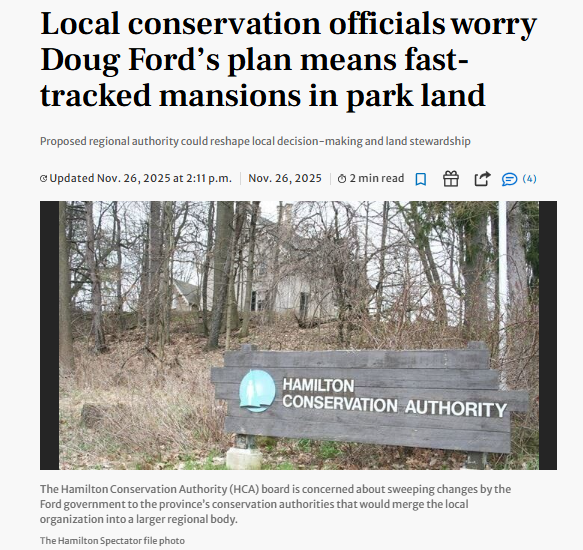
February 2024 Conservation Authority update: Doug Ford’s Conservative Government is coming for our Conservation Authorities. On April 1, 2024 new regulations that gut the Conservation Authority Act will come into effect. Read about them in the news by clicking on the images to the right ->>

Here are the most serious changes Ford is imposing:

  • New legislation gives Graydon Smith, the Minister of Natural Resources and Forestry, the unprecedented power to override the Conservation Authorities. The Minister's decision is FINAL. This is an outrageous abuse of power. 

  • Elimination of consideration of "natural heritage" in the HCA's permitting decisions

  • Reduction of the development buffer around a provincially significant wetland from 120m to only 30m

  • Pollution can no longer be considered

  • The definition of a watercourse will be changed from: an identifiable depression in the ground, to: a defined channel having a bed and banks or sides leaving our headwaters open for development.

TAKE ACTION BELOW

Send an email to your representative to let them know that you believe we should be expanding, not reducing, the powers of Conservation Authorities and the protections for wetlands.

Consider writing a few sentences in your own words as an introduction and adding the bullet points above to impress upon decision makers that you care about Conservation Authorities and demand that regulatory changes that restrict them should be reversed.

You can easily copy/paste THIS LIST of email contacts into your “To” box to quickly send your email. The list includes municipal, provincial as well as HCA Board members.

Do you still have a Greenbelt or No Urban Expansion yard sign at home? These creative re-dos have started popping up in Hamilton! Why not make one of your own? If you don't have a sign then just ink one onto a piece of paper with this message to the Province: 

Hands off Conservation Authorities!

Take a photo of your sign and post it on X (formerly twitter), Facebook (Stop Sprawl Ontario​), or on Instagram with the hashtag #HandsOffConservationAuthorities. Let's get this message trending around Ontario!

March 8, 2024 Hamilton Conservation Authority Board Meeting

A huge thank you to everyone who took a moment to write a quick note to the HCA Board members to urge them to vote NO to Ford's latest wetland destroying moves! Forty-one of you sent an email which was noted and appreciated by the Board. Here’s how it unfolded.

Before simply signing off on the Province’s new decree, Board Members voted unanimously for Staff to report back to them next month with a clear outline of the devastating consequences that would arise from the April 1 changes and give detailed examples of exactly what those consequences will look like in real scenarios.  

Additionally, Board members voted to seek legal advice on potential implications to the HCA, including liability if the Board was to endorse the Provincially mandated changes, which may be contradictory to their roles as watershed stewards.

The Board also made it clear that the HCA will be widely sharing this information with the public so everyone is made aware of the damage the new regulations will do to our watershed. There will be opportunities coming up for public participation and your voice will be needed so stay tuned!

Much appreciation to HCA Staff who, for so long, have advocated relentlessly for our watershed by submitting comments to the Environmental Registry, letters to the Standing Committee and even an Op-Ed in the Hamilton Spectator in November 2022.

But Mr. Ford isn't listening to the experts. He's doubling down.

Watch the HCA meeting clip by clicking the image above to see the excellent Staff presentation and hear some bombshell comments by Board members.

February 22, 2024 City of Hamilton Audit Finance and Administration Meeting

Industrial warehouse developers were out in force for the City of Hamilton Audit, Finance and Administration committee meeting on Development Charges on February 22..

Thank you once again to the 40 of you who took a moment to write to the

Committee! Most Councillors seemed to understand that any continued discounts given to industrial developers to plaster our wetlands with warehouses will be transferred to taxpayers. However, Councillor Mike Spadafora of Ward 14 stated at the meeting that he would work with staff to craft a motion to continue offering a discount to industrial developers in the Airport area. You can watch the clip HERE

If that motion is successful, the download from developers to tax payers would not be small change when coupled with the DC discounts already granted to developers by the Ford government. According to delegate Karl Andrus of the Hamilton Community Benefits Network, the last budget cycle included $59 Million in unfunded DC liabilities that had to be tacked on to the capital budget and covered by taxpayers.

Why should Hamilton give a discount to Broccolini and their billion dollar industrial buddies to demolish our wetlands? A brief online search lists Broccolini as the ninth largest construction company in Canada, pulling in a whopping $1.2 billion in 2021.

The final vote on DCs will be in late April or early May. Stay tuned.

Book now available!

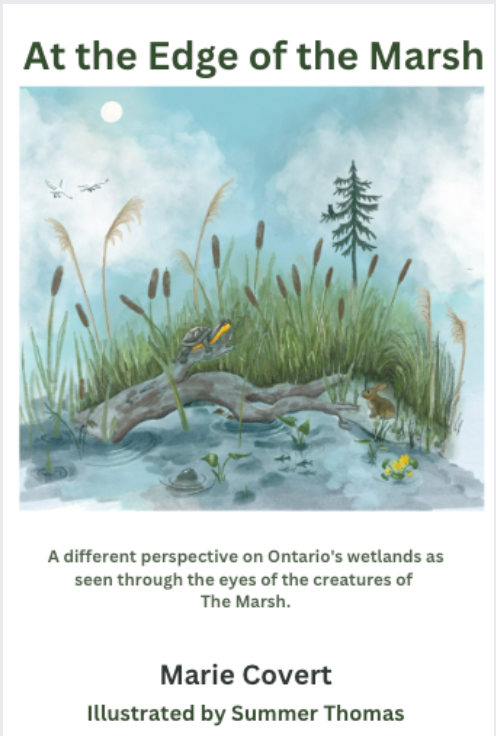
Get your own beautifully illustrated copy of At the Edge of the Marsh by donating and filling out THIS order form.

Copies are $25 each which includes delivery.

Copies are also available for purchase for $20 cash at:

Dundas: the Printed Word, the Carnegie Gallery, and the Dundas Museum.

West Hamilton: King West Books (formerly Bryan Prince)

At the Edge of the Marsh is an uplifting children’s book about the fight to save the Garner Marsh, a real wetland in Ancaster, Ontario that is on the brink of being destroyed for a warehouse development. Written by Save our Streams member Marie Covert and illustrated by Summer Thomas, this whimsical story will sweep you away to a magical land where the creatures of the wetland band together in a bid to save their home.

All contributions received from book sales will go directly to helping preserve Hamilton Wetlands.

At the Edge of the Marsh book donation

June 2023 City Planning Committee meeting

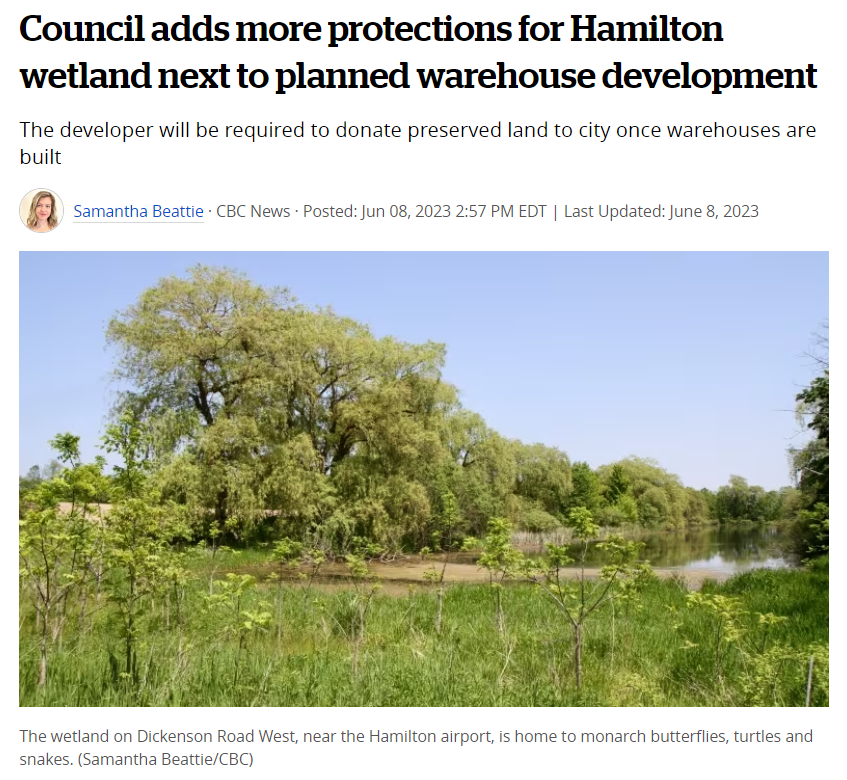
WE DID IT! Dickenson Road wetland protections added! Click for news ->

Thanks to dozens of emails and even some delegates to Planning Committee about the warehouse proposal at 9236 Dickenson Rd, our pressure resulted in the transfer to city ownership of the Provincially Significant Wetland, the habitat restoration area and a portion of the woodlot on the property. Our pressure changed the trajectory of this warehouse development and has set a precedent going forward for the environmental standards the public expects for the AEGD - Airport Employment Growth District - and all industrial zones in Hamilton going forward. Sign up to our newsletter above to get the full story!

1. Three natural heritage features on the property (wetland, woodlot, restoration area) transferred at no cost to the city

2. A redo of the developer's initial, very vague, Energy and Environmental Assessment Report to outline very specifically exactly which Green Standards they will implement in the design of the building.

3. An increase in the monitoring period for transplanted species and invasive species removal from two years to five years with compensation due for every tree that does not survive 5 years.

4. An increase in the monitoring period for Low Impact Development (LID) practices from 2 years to 5.

Follow the Flow of Ancaster Creek

Join Ancaster / Flamborough Ward 12 Councillor Craig Cassar as he traces the path of Ancaster Creek from its origin in the Garner Marsh all the way to Cootes Paradise. This short video has been viewed over 3000 times and is a fun and interactive look at the Garner Marsh and the rare cold water habitat it supports.

February 2021- The Garner Marsh at risk of destruction

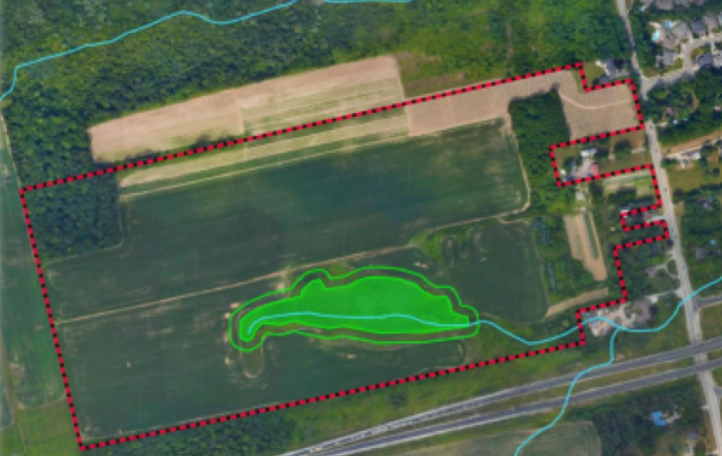
In early 2021, Toronto developer ONE Properties Inc applied to the Hamilton Conservation Authority (HCA) for a permit to bulldoze a locally significant wetland in Ancaster known as the “Garner Marsh”.

The permit was denied but now ONE Properties and their agent, Ancaster firm Urban Solutions have appealed the HCA’s decision to the Ontario Land Tribunal (OLT) with the aim to “move the marsh” to build a million square foot warehouse complex. The Hamilton Conservation Authority and the City of Hamilton will both defend their positions at the OLT and Environmental Defence Canada has agreed to represent the Marsh itself at the hearing. Save our Streams is helping by raising awareness and fundraising to help with Environmental Defence’s costs. Please consider donating to our legal defence fund below!

short video of threats to the Marsh
Learn more
Please donate and receive a tax receipt

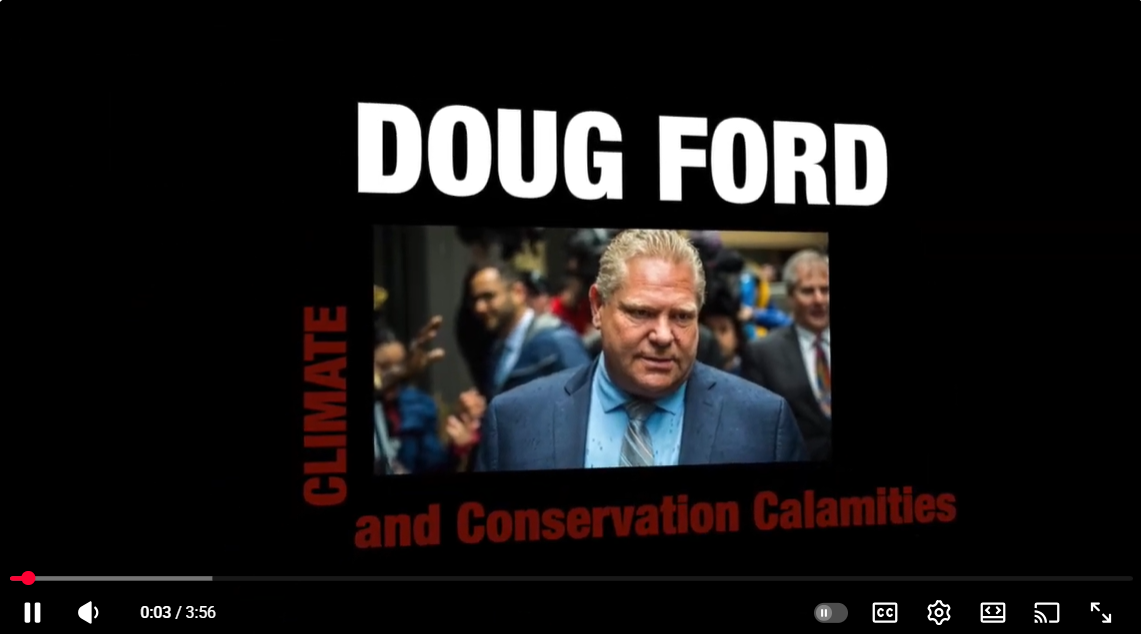
Doug Ford’s Climate and Conservation Calamities. Directly from the mouths of Hamilton350.org members: a summary of the damage Doug Ford and his administration have done to Ontario's efforts to combat climate change and to protect our natural heritage. Music: "Revolution Now" by Josh Woodward. Free download: http://joshwoodward.com/


Our Headwaters under threat

Did you know that the headwaters of the creeks and streams that make Hamilton the City of Waterfalls are all found right here in our backyard? The 1300 acres of pristine farmland, habitat, wetlands and headwater tributaries south of Garner, Rymal and Twenty Roads are all under threat of destruction by industrial warehouse developments. There are no less than five active warehouse applications at City Hall just now. Below is a very quick video of what is in store for our wetlands and foodland if we don’t stop it!

Click here to see what’s slated to be paved!


Garner Marsh tour Feb 2022

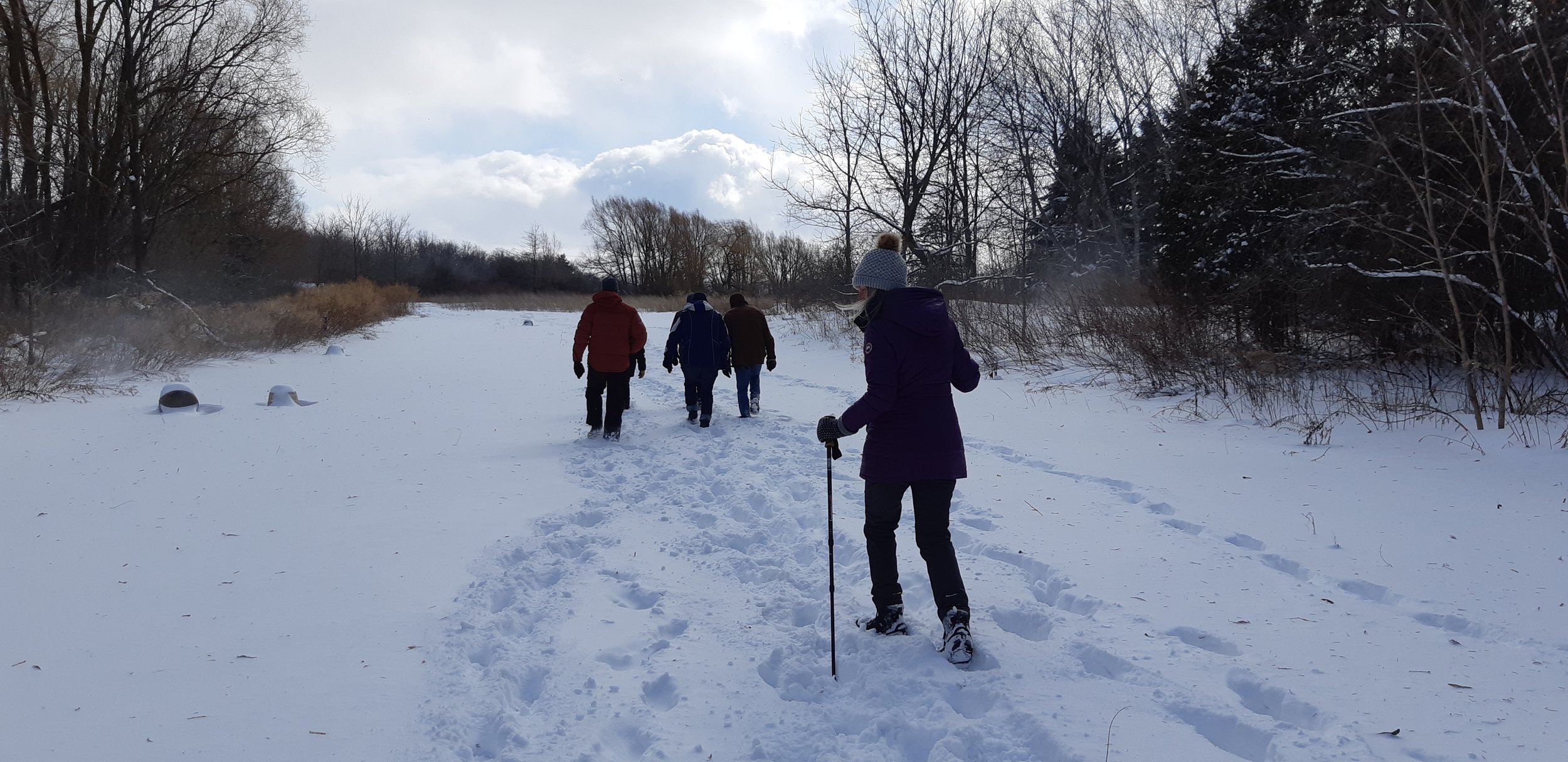
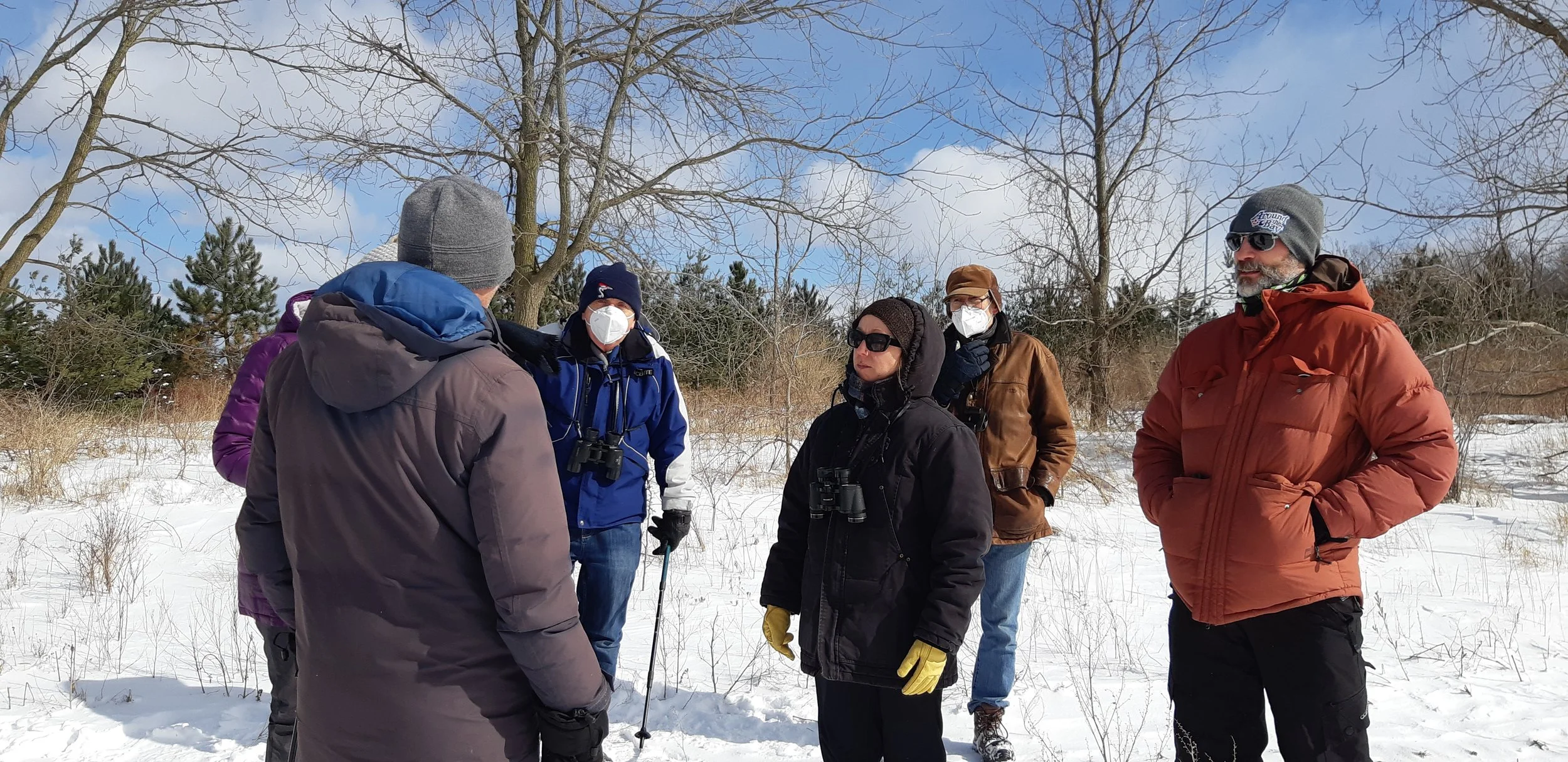
The weather was windy and cold but the sun and the views kept everyone engaged and interested! Thanks to Carrie Hewitson for showing people around the marsh and farm fields and to local birder Sheldon McGregor for pointing out the local bird life, nests and features along the way! Stay tuned for more Marsh tours planned as the weather warms up.